

Why Is My Hair Shedding? Understanding Inflammatory Hair Loss

Struggling with hair shedding? Learn how inflammation, diet, and scalp health impact hair loss and what you can do to restore growth naturally.
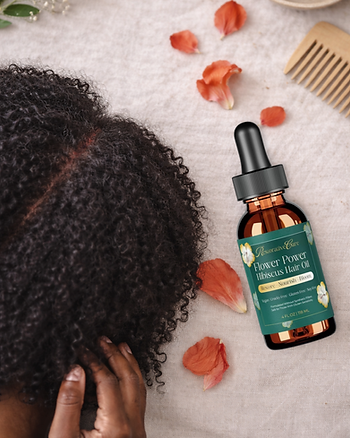
There’s normal hair shedding and then there’s that moment of realization that something feels different. It’s not seasonal, it’s not postpartum, and it’s not simply stress that will pass.
This is my sister Christen’s story.
If you’ve ever stood in the mirror asking yourself, “Why is my hair shedding?” I hope this resonates and gives you the clarity you need in this season. Sometimes the answer isn’t what you think.
When Hair Shedding Doesn’t Feel Normal
Christen’s hair loss began in 2012.
“It was minimal and easier to deal with. My hair did grow back because it wasn’t too bad.”
At the time, her shredding felt manageable and temporary. But in 2023, it worsened.
“That’s when it concerned me.”
Suddenly her shedding becomes excessive, noticeable, and it didn’t rebound the way it once did. That’s often when women begin searching for answers.
One possible explanation is inflammatory hair loss.
What Is Inflammatory Hair Loss?
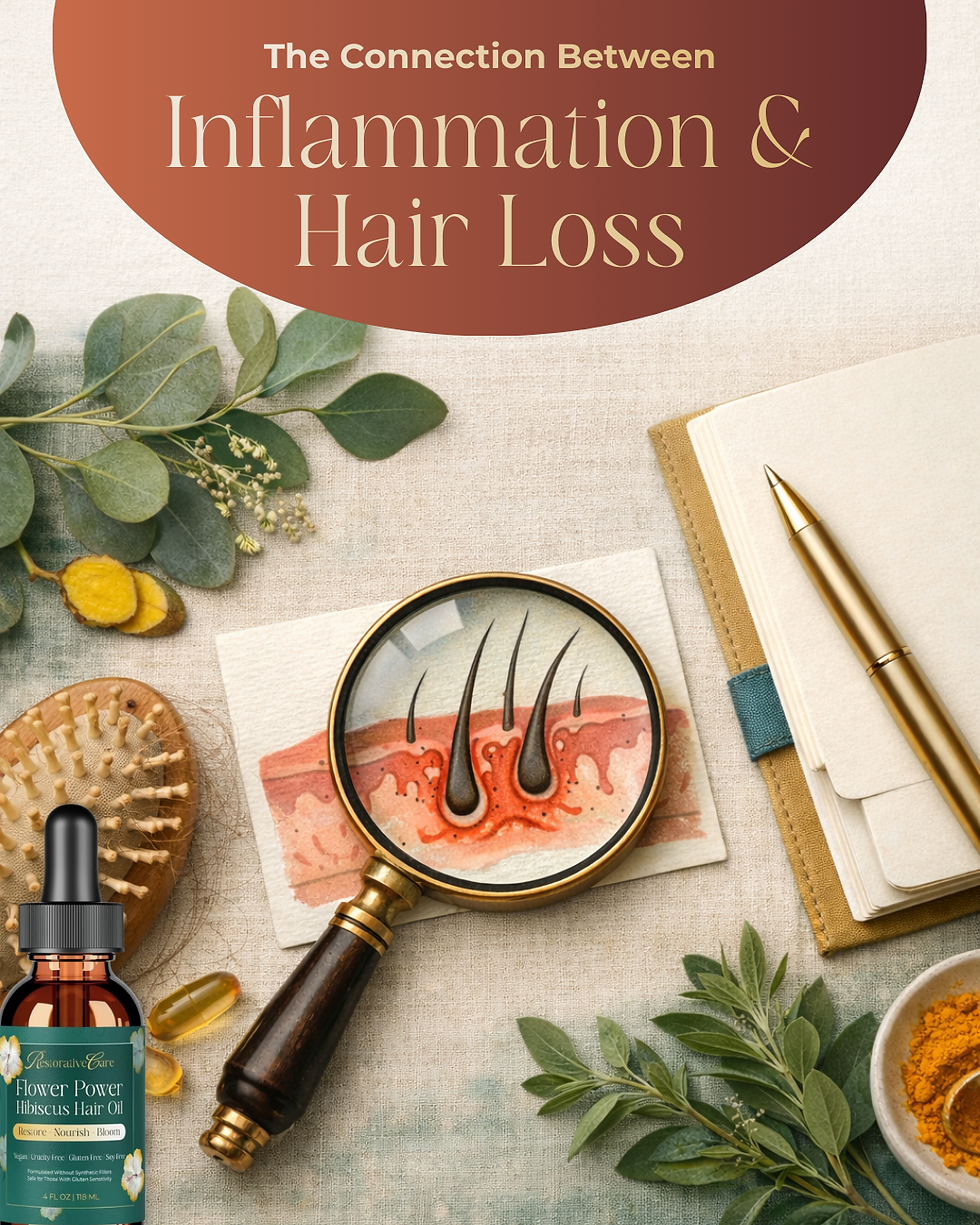
Inflammatory hair loss happens when the scalp environment is disrupted by internal or external stressors.
Inflammation can be triggered by:
Diet and blood sugar imbalance
Hormonal shifts
Chronic stress
Autoimmune tendencies
Product irritation
Nutrient deficiencies
When inflammation is present, the body prioritizes calming the threat before supporting growth.
Hair is often the last place the body sends resources. Shedding increases and growth slows. The scalp may feel tender, irritated, or reactive.
That doesn’t mean your hair follicles are dead. It often means your scalp is inflamed.
How Scalp Inflammation Can Cause Hair Shedding
Like many women, Christen initially sought medical care.
“I went to a dermatologist and the shots and minoxidil did work.”
Symptoms improved for a while, but when the shedding resurfaced, something felt unresolved.
In 2024, she saw a dermatologist of color who explained factors she hadn’t previously considered.
“She informed me on things I was not aware of.”
That education changed everything because sometimes treatments suppress symptoms without fully addressing scalp inflammation hair loss.
You may see improvement, but still feel unsure if the root is understood. Relief without clarity leaves room for doubt.
Signs Your Hair Shedding May Be Inflammation-Related
When I asked Christen what first signaled real progress, her answer wasn’t growth. It was a calm scalp.
“I noticed my scalp responded when I didn’t see inflammation.”
Not dramatic regrowth. Not overnight thickness. However, she experienced:
Reduced redness.
Reduced irritation.
Reduced visible scalp stress.
That shift took about one month which is important. If your scalp feels:
Tender
Warm
Itchy
Reactive
Easily irritated
Your hair shedding may be inflammation-related. A calm scalp is often the first sign that restoration is beginning.
Can Diet Reduce Inflammatory Hair Loss?
This was one of the hardest shifts for Christen. Through a trichologist-owned salon, she learned how food was affecting her scalp.
She cut back on:
Sugar
Processed foods
Dairy
Grains
“It was difficult at first… but it got easier.”
This wasn’t about restriction for vanity reasons. It was about lowering inflammatory load.
At the same time, she consistently used Flower Power Hibiscus Hair Oil for 5 - 6 months while changing her eating habits. Not as a cure. Not in place of medical guidance. But as supportive nourishment while inflammation was being addressed internally.
Internal support and external consistency began aligning. That alignment matters because inflammatory hair loss rarely improves from products alone. It improves when the body feels safe enough to redirect energy back toward growth.
If You’re Asking, “Why Is My Hair Shedding?”
It doesn’t automatically mean something is broken. It may mean your body is trying to communicate with you.
Inflammation.
Blood sugar instability.
Stress overload.
Nutrient depletion.
Hair responds to the internal environment. When that environment stabilizes, shedding often follows.
Why I Created the “Why Won’t My Hair Grow?” Clarity Guide

Walking through this with my sister showed me something important. So many women are treating shedding without understanding the root.
Switching products.
Adding supplements.
Trying stronger solutions.
But rarely stepping back to ask:
Is this inflammatory hair loss?
Is my scalp stressed?
Is my diet contributing?
That’s why I created the “Why Won’t My Hair Grow?” Clarity Guide.
Inside, I walk you through:
Common causes of stalled hair growth
The role of inflammation and blood sugar
Signs your scalp is stressed
What to evaluate before changing products again
How to approach restoration holistically
If you’ve been feeling overwhelmed or confused about your hair shedding, this guide will help you connect the dots.
You can download it here: www.shoprestorativecare.com
Clarity changes how you care for your scalp and sometimes the most powerful step isn’t adding more. It’s understanding more.


Comments